P-51 Mustang
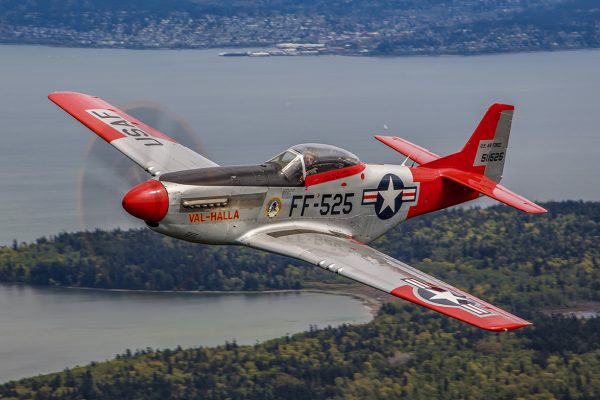
The P-51 mustang was an air dominance fighter that flew over the skies in both Korea and World War II. It was developed in 1940 by the North American Aviation group. It gained prominence due to its strong performance to compete with Luftwaffe fighters thanks to such a strong engine and the Meredith effect which reduced drag and provided extra thrust. The P-51 saw use with the United States Army Airforce escorting bomber formations over Germany during the war. The P-51’s unique combination of high-altitude performance and ability to carry more fuel than other fighters made it a perfect fit for bomber escort and deterring intercepting enemy aircraft that would try to shoot down the larger bombers.
Soon the strategy shifted, and the P-51 mustangs were no longer required to fly in tight formation with bombers and were allowed to attack the Luftwaffe wherever they could be found to maintain air supremacy. Such air supremacy was necessary for the landing at D-Day. Soon enemy air bases and the Luftwaffe presence was so small they were less important than bombing enemy supplies, rail, and other targets in strafing runs. The P-51 was such a powerful airframe that several US service members were able to become Aces, where they shot down five enemy fighters, with the aircraft. The P-51 mustang was replaced in 1953 as the fighter bomber role was replaced by more powerful F-86 Jet Fighters. The P-51 Mustang had a legacy of being a nimble, fast, long range, and heavy firepower made it a very desirable aircraft from pilots. Today you can see P-51 Mustangs at airshows and museums around the United States due to their popularity and legacy. The P-51 was also famously flow by the Tuskegee Army Air Corps where they flew over 15,000 missions and received more than 150 Distinguished Flying Crosses over Africa and European theaters.


Comments
Post a Comment